North Plainfield's Office of Emergency Management keeps a short list of spots floodwater gets into a house, and the dryer vent sits right alongside basement windows and sump pits. After the flash flood in July 2025 filled basements along Taft Avenue, more than one homeowner found silt sitting inside the dryer duct itself, not just on the basement floor around the machine. A vent that sat below or near standing water during a flood is not something to run a dryer through again without a look first.
What floodwater leaves behind in a dryer duct
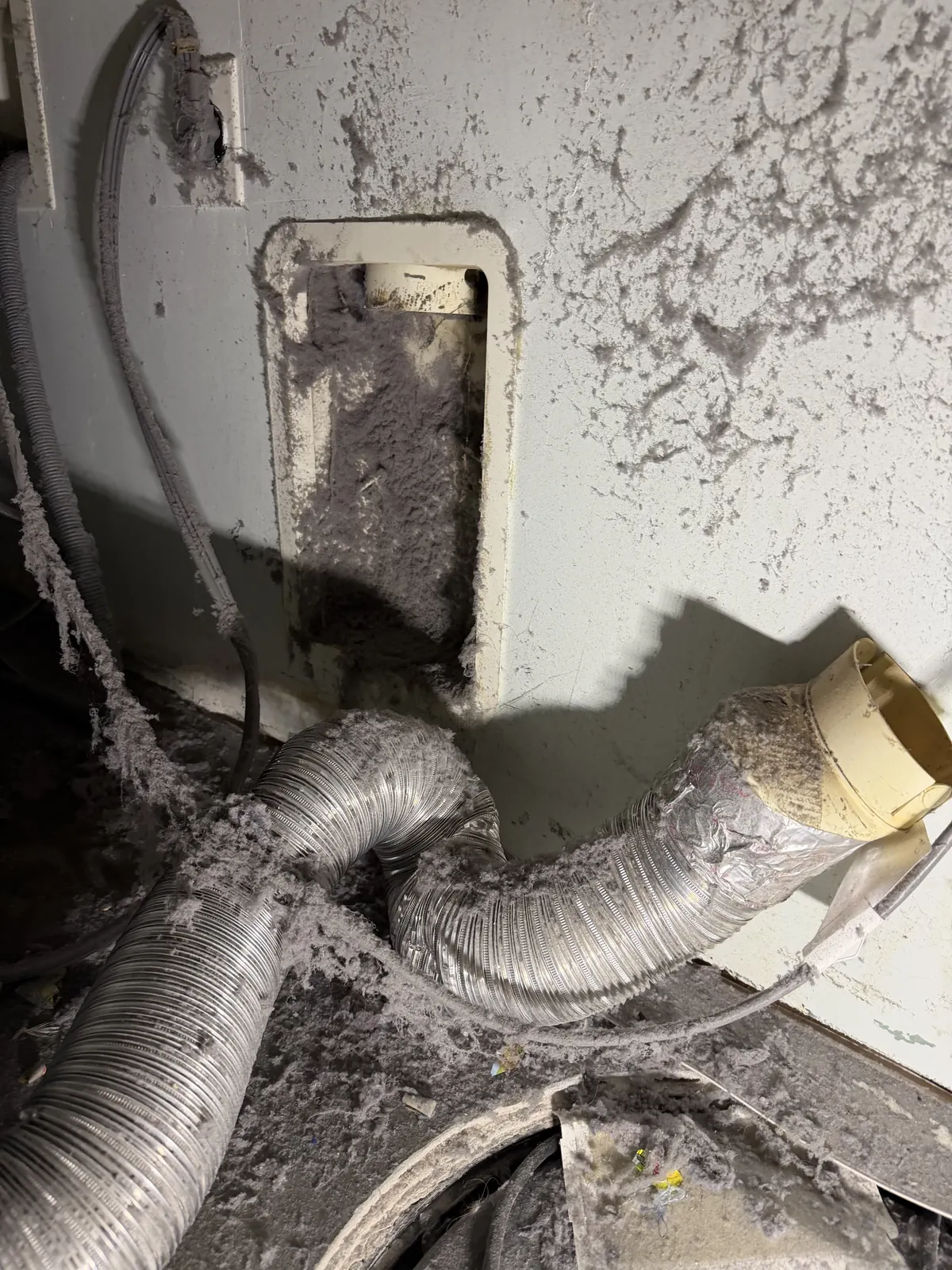
Water that comes up through a window well or backs up through a foundation crack carries whatever was in the street along with it, grit, silt, and sometimes sewage if storm drains backed up during the storm. Inside a dryer duct, that water mixes with the lint already coating the interior wall and turns it into a heavy, damp sludge that does not dry out on its own once the basement looks clear. Left in place, that sludge blocks airflow, holds moisture against the duct wall long after the rest of the room has dried, and gives any bacteria that rode in with the floodwater a place to sit. Running the dryer a few extra cycles does not clear any of that out.
Which duct material gets cleaned, and which gets replaced
A straight run of rigid metal duct that was fully submerged can usually be cleaned out, since the smooth interior does not trap sediment the way a ridged surface does, and Dryer Vent Cleaning removes the silt and compacted lint once the water is gone and the run has been checked for corrosion at the seams. Flexible foil or plastic duct is a different story. The ridges inside that kind of duct hold sediment in pockets a brush cannot reach, and floodwater often crushes or kinks a flexible run against floor joists or stored boxes as the water moves through a basement. When that happens, replacement is the better call, and Dryer Vent Installation with rigid metal duct in its place holds up better through the next storm than putting a cleaned flexible section back in service.
Signs the vent took on more than splash
A dryer vent that only picked up humidity from a damp basement looks different from one that had standing water move through it. Watch for a visible water line on the outside of a metal duct section, a mud or river smell when the dryer first kicks on, or lint that comes out of the trap wet and gritty instead of dry. Any of those signs point to floodwater that traveled through the duct, not just dampness in the air around it, and that calls for a full cleaning and inspection rather than a quick wipe of the termination hood outside.
Why the dryer itself goes back to its service company first
A duct crew can clear the vent run from the back of the machine to the termination point outside, but the dryer is a separate piece of equipment with its own electrical connections, drum bearings and blower wheel, and any of those can take on silt or moisture during a flood. Before the dryer runs a full cycle again, its manufacturer's service network or the appliance technician who normally handles it should check the unit itself. A clean duct attached to a dryer with silt packed around an electrical connection still leaves the real problem sitting in the one part nobody checked.
Before the first load after a flood
Check the termination hood outside for any debris the floodwater pushed into the opening, and hold off on running the dryer until both the duct and the appliance have been looked over. Running a damp, silt-packed duct heats that sludge instead of moving it, which drives the smell further into the house through the vent and sets up a tougher cleaning job later. Waiting for both checks keeps the sludge from drying hard inside the duct, which is far easier to remove while it is still fresh than months later.
The vent is one entry point among several
North Plainfield's flood guidance groups the dryer vent with other paths water takes into a house because the termination hood sits low on an exterior wall, often close to grade, and a flooded yard or an overflowing window well can push water straight into it from outside rather than through the foundation at all. Floodwater sitting in a basement for even a short time raises the same airing-out and drying concerns the EPA's flood cleanup guidance lays out for equipment that sat in standing water, and a dryer vent run tucked into a wet basement ceiling is no exception to that advice. Homeowners in Bound Brook along the Raritan deal with the same low termination layout in a lot of older houses, worth checking even on a year when the flooding stayed outside the foundation.
What a visit after a flood looks like
The walk-through starts at the termination hood outside, checking for debris pushed in by floodwater at grade, then follows the duct run back toward the dryer, noting every section that shows water staining, crushing or standing silt. Rigid sections that clean out fully get marked for Dryer Vent Cleaning, and any flexible or damaged section gets flagged for Dryer Vent Installation instead. That split, along with a note to have the dryer itself checked separately by its service company, goes on the written estimate before anything gets reconnected, so a homeowner in North Plainfield or Bound Brook knows which parts of the system are being cleaned and which are being replaced before the dryer runs again.